Should I Get a Second Opinion Before Shoulder Surgery?
should-i-get-a-second-opinion-before-shoulder-surgery


Reverse shoulder replacement generally produces good long-term functional outcomes. However, a small subset of patients could have prolonged unexplained pain and limited range of motion, or stiffness, following surgery.
Stiffness is one cause of pain, which could be from buildup of scar tissue, especially if you have had several prior surgeries.
Another cause of pain is impingement, or contact between the implant and the coracoid — a part of the shoulder blade that extends towards the front of the shoulder. The latter is exacerbated when moving the arm across the chest and behind the back.
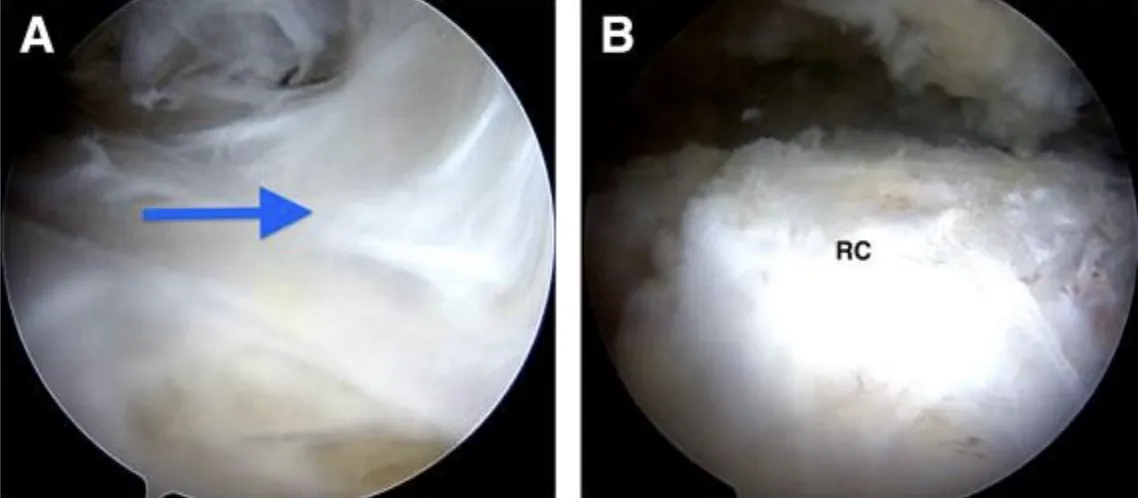
Although arthroscopy after replacement is most often employed for diagnostic purposes, we believe it can be used to treat front shoulder pain and stiffness.
This arthroscopic technique, developed at Oregon Shoulder Institute, eliminates scar tissue and widens the space between the implant and coracoid, which allows for more contact-free motion, resulting in decreased pain. Despite limited studies on this technique, we have successfully decreased pain levels and improved range of motion in our patients.
Keep reading
should-i-get-a-second-opinion-before-shoulder-surgery
is-a-cortisone-shot-in-the-shoulder-worth-it
can-a-torn-labrum-in-the-shoulder-heal-on-its-own
Oregon Shoulder Institute
massive-rotator-cuff-tear-with-severe-muscle-damage-repair-or-replacement
Book a consultation in Medford or Grants Pass, or send your MRI for a second opinion from anywhere in the country.