Oregon Shoulder Institute

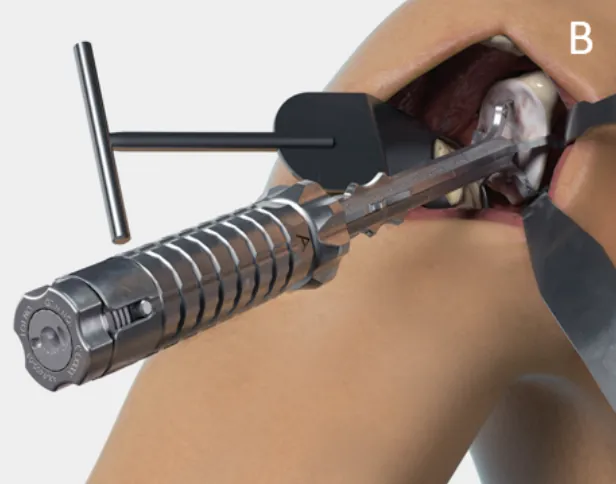
Surgical illustration showing an arthroscopic instrument used during shoulder joint surgery.

What effect does patient specific instrumentation have on clinical outcomes after a Reverse Shoulder Replacement?

Should patient-specific instrumentation or standard guides be used in reverse shoulder replacement? Outcomes are similar among experienced surgeons.

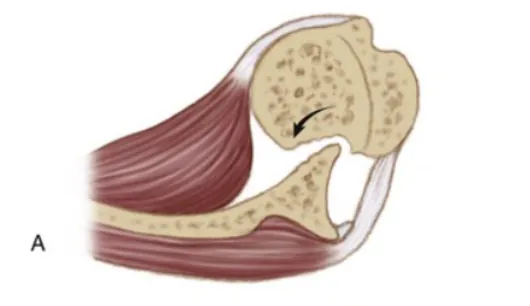
Illustration of a shoulder dislocation showing a Hill-Sachs lesion on the humeral head.

What is a Remplissage for shoulder dislocations?

What is a remplissage? Remplissage is a powerful treatment for shoulder dislocations. Learn about how we use this to reduce the chance of recurrence.

Arthroscopic view of the shoulder joint showing an area indicated by a blue arrow.

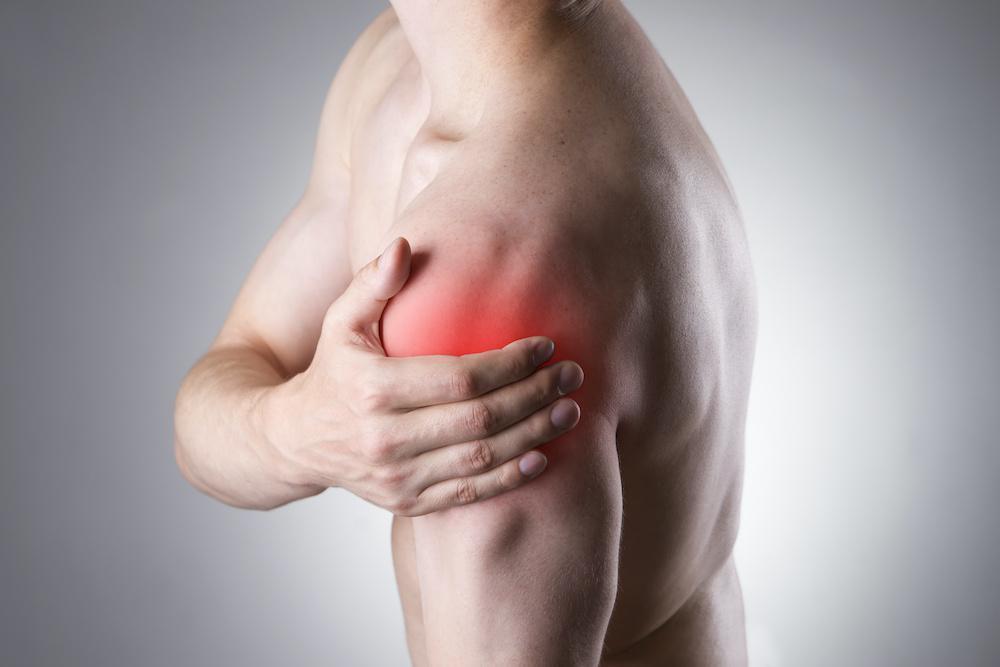
What if my shoulder is still painful or stiff after a Reverse Shoulder Replacement?

What can I do if my shoulder is still painful after a reverse shoulder replacement? One option is arthroscopic management. Learn more here.

lllustration of the shoulder anatomy showing the acromion, scapula, and humerus with highlighted anatomical regions.

Can Arthroscopy be used to treat stress fractures after Reverse Shoulder Replacement?

What can be done with a painful acromion stress fracture that hasn’t healed? One option is the simple excision of small fragments

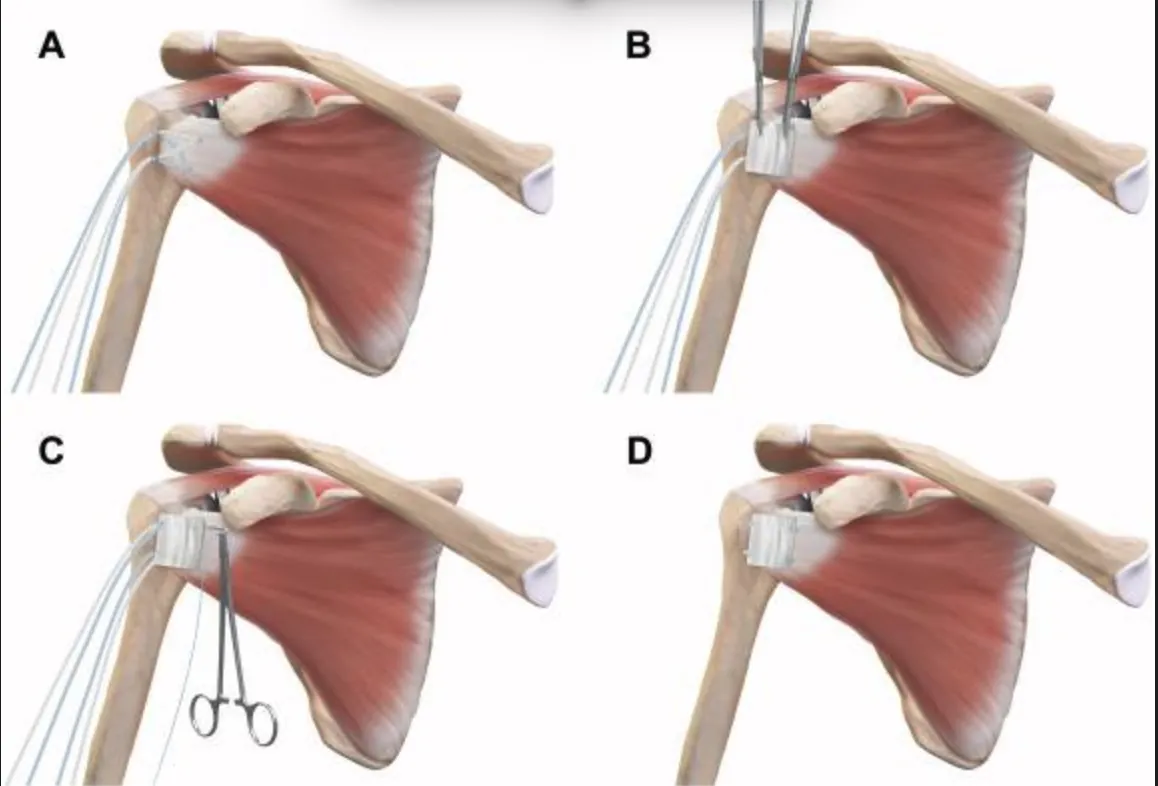
In Oregon Shoulder Institute, we are exploring ways to optimize outcomes after shoulder replacement including subscapularis repair techniques.

The biceps tendon may help healing after a shoulder replacement

In Oregon Shoulder Institute, we are exploring ways to optimize outcomes after shoulder replacement including subscapularis repair techniques.