Oregon Shoulder Institute
Rotator Cuff Repair Outcomes: Dr. Patrick Denard's Published Results
rotator-cuff-repair-outcomes-dr-patrick-denard
Shoulder arthroscopy has been a major advancement in the treatment of shoulder conditions. Through the use of a camera and small stab incisions, conditions in the shoulder can be clearly viewed and treated in a minimally invasive fashion. As a result, the recovery following arthroscopic shoulder surgery is much easier and the complication rate is lower compared to open surgery.
Patients undergoing any shoulder surgery should understand their risk of complications. Fortunately, the risk of complication following shoulder arthroscopy is very low.
A study published in the December 2013 issue of the Journal of Shoulder and Elbow Surgery reported the 30 day complication rate following shoulder arthroscopy. In over 9,000 shoulder arthroscopies performed in the US over a 7 year period, the complication rate in the first 30 days following surgery was less than 1%. Interestingly, infection occurred in only 0.2% of cases.
This study should give confidence to patients that the risk of complication following shoulder arthroscopy is very low.
The transition from open to arthroscopic surgery, particularly with regard to rotator cuff repairs, has dramatically changed the treatment of shoulder conditions.
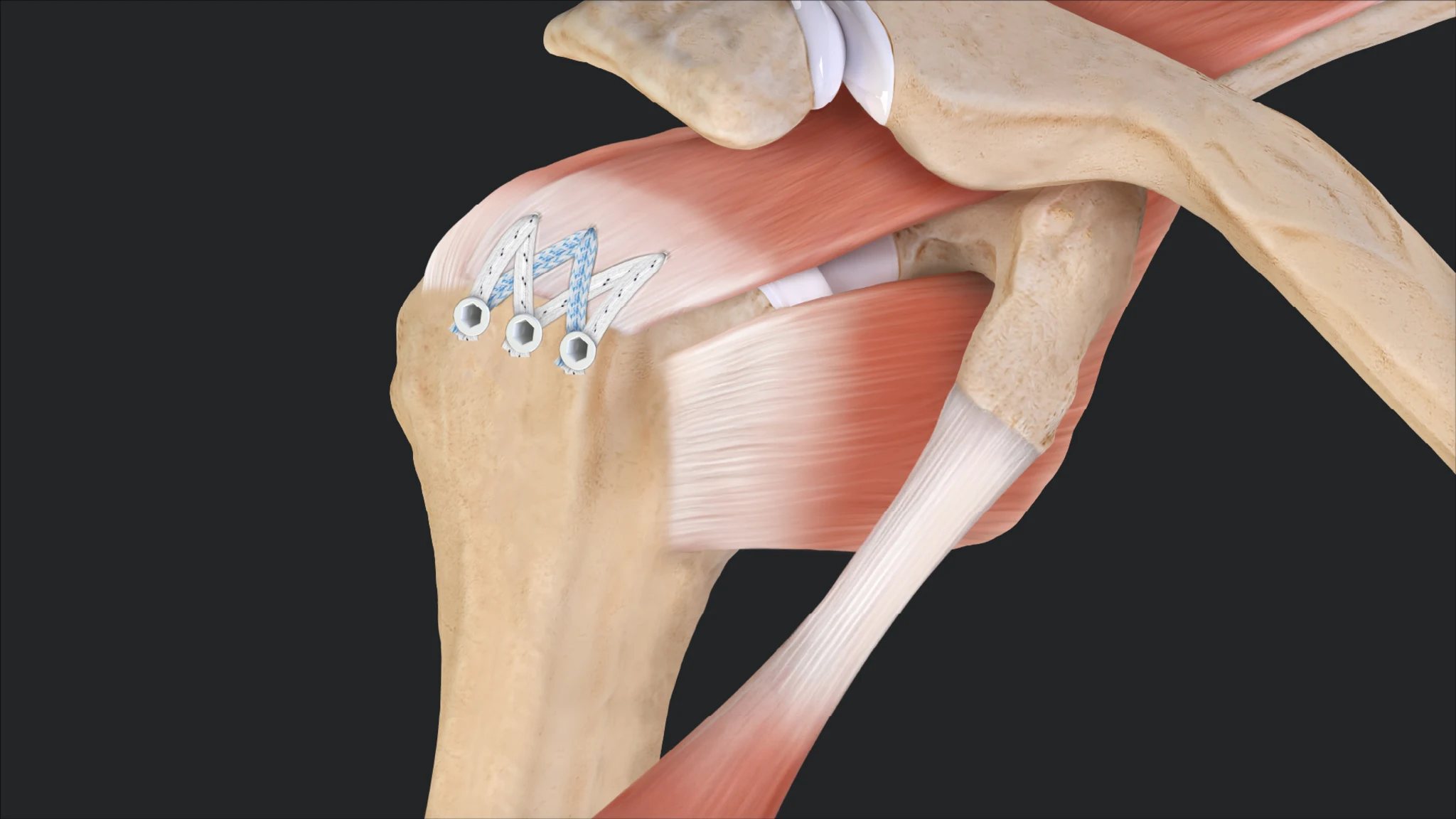
One of the problems with an open incision to repair a rotator cuff tear is that a large incision creates more damage to the soft tissue, which leads to a greater chance of stiffness following repair. For instance, about 14% of patients have stiffness 1 year after an open rotator cuff repair. By contrast, we previously performed a review of arthroscopic rotator cuff repairs and found that stiffness occurs in only 3% of these patients.
The risk of complication following shoulder arthroscopy is very low, and shoulder arthroscopy has lowered the risk of complication compared to open approaches. Patients undergoing shoulder surgery should understand their risk of complication and, if possible, have an arthroscopic approach — particularly for conditions that are treatable arthroscopically, such as rotator cuff repair.

Keep reading
Oregon Shoulder Institute
rotator-cuff-repair-outcomes-dr-patrick-denard
Oregon Shoulder Institute
rotator-cuff-repair-recovery-week-by-week
Oregon Shoulder Institute
irreparable-rotator-cuff-tear-superior-capsular-reconstruction
Oregon Shoulder Institute
failed-rotator-cuff-repair-revision-options
Book a consultation in Medford or Grants Pass, or send your MRI for a second opinion from anywhere in the country.