Oregon Shoulder Institute
Rotator Cuff Repair Outcomes: Dr. Patrick Denard's Published Results
rotator-cuff-repair-outcomes-dr-patrick-denard
Short answer: Most people wear a sling for 4 to 6 weeks after rotator cuff repair, start strengthening around 12 weeks, return to the gym around 4 months, and reach full recovery at about 6 months for small tears and 12 months for large or massive tears. That is the timeline Dr. Patrick Denard of Oregon Shoulder Institute gives his own patients, adjusted for the size and pattern of each tear.
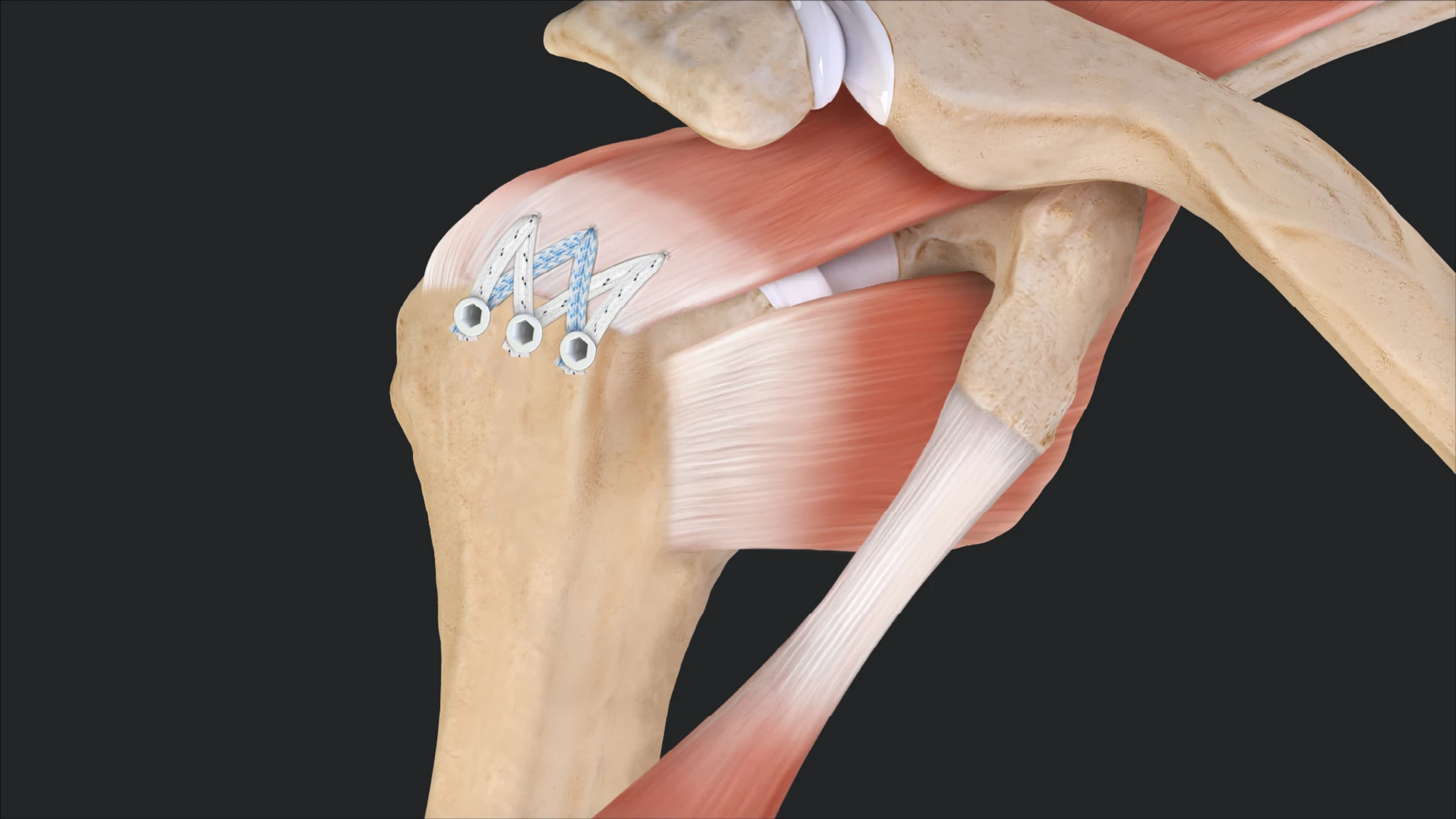
The repair itself takes about an hour. The healing takes months. After surgery, the tendon needs about 12 weeks to grow back into the bone, and until then it relies on the sutures and anchors. That is why the first phase protects the repair, even when you feel ready to do more. Rehabilitation is part of the operation: a repair loaded too early can fail, and a shoulder never loaded stays weak.
Many people need less pain medicine than they expect. In 100 patients who kept a pain journal after rotator cuff repair, 77% needed fewer than 15 oxycodone 5 mg pills over the first 14 days with a multimodal pain plan (Mandava 2021, PMID 33144226).
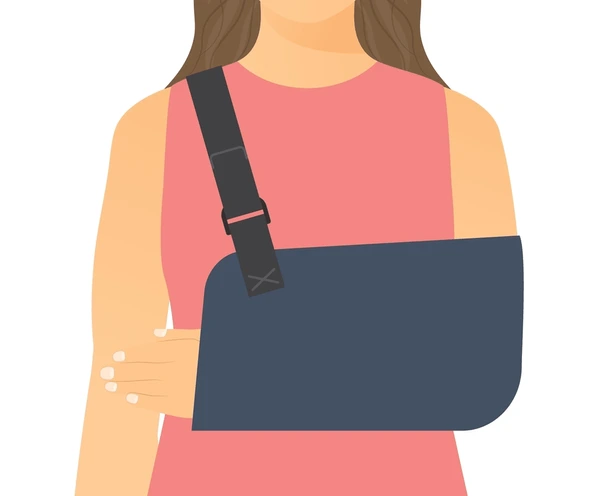
The sling's job is to stop shoulder movement. It's fine to take it off when you are sitting at home with the arm resting on a pillow in the same position. It must be on when you are walking around, when you sleep and in the car. Keep using your hand and elbow for eating, grooming and light tasks, which helps circulation and prevents stiffness.
At the two-week visit, my patients choose between a home exercise program and supervised therapy. We studied this choice in 99 patients after repair of massive tears: 61 chose supervised therapy and 38 chose home therapy (Ardebol 2025, PMID 38986853). The home group actually scored higher at three months (ASES 71.4 versus 61.2, and forward elevation 135 versus 118 degrees), and the two groups were comparable from six months on (same source). Both work. The right choice is the one you will follow.
If you are traveling to us for surgery, we send our rehabilitation program and a written prescription to your therapist at home.
Patients often worry when the shoulder feels stiff in the first six weeks. In a study I co-authored of 1,207 repairs of the supraspinatus tendon, lower passive motion at six weeks was associated with healing, and by six months motion was the same whether or not the tendon had healed (Collin 2024, PMID 38616551). Stiffness that lasts is uncommon. In a systematic review, transient stiffness that improved without surgery occurred in 10% of patients, and stiffness resistant to treatment in 3.3% (Denard 2011, PMID 21624680).
Once the sling comes off, the focus is getting motion back. Strength work waits until about 12 weeks, when the tendon has had time to heal into bone. This "start slow to go faster" approach is deliberate.
Gym activities usually return around four months. Full recovery takes about six months for small tears and up to a year for large or massive ones. Some people take longer: in 365 patients, about 1 in 5 hadn't returned to normal work or activity at six months, more often women and heavy manual workers (Collin 2015, PMID 25441555). Over the long run most manual workers keep their jobs: in 165 manual workers followed for an average of 11 years, 77% returned to the same occupation (Collin 2026, PMID 41550583).
Waiting matters. In a Medicare database study of 11,079 patients with both shoulders repaired, complication rates were no different from controls when the second surgery was at least 3 months after the first (Cancienne 2021, PMID 34081550).
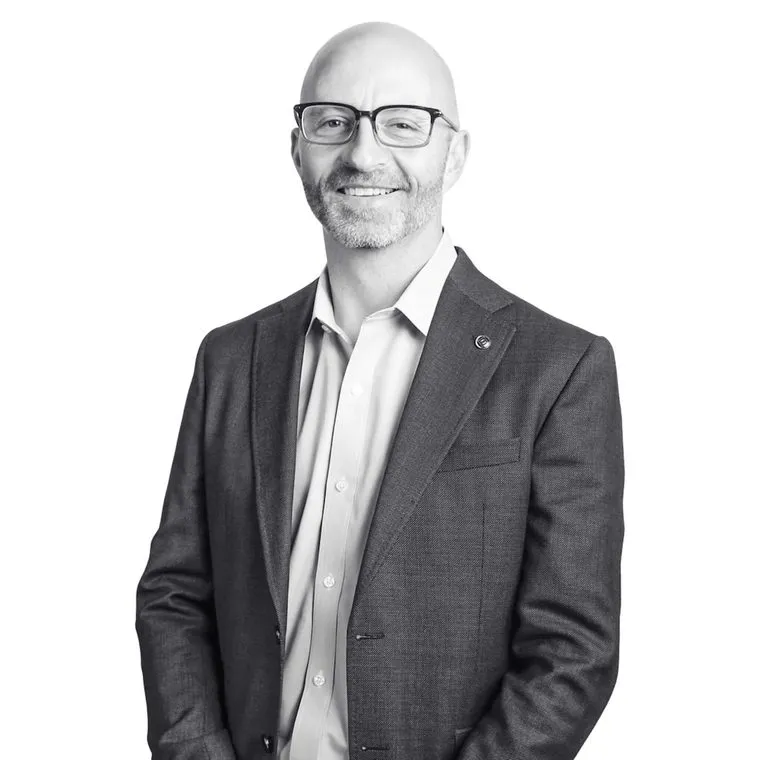
Dr. Patrick J. Denard is a fellowship-trained shoulder surgeon and the founder of Oregon Shoulder Institute in Medford, Oregon. He has performed more than 10,000 shoulder surgeries. PubMed lists more than 300 of his peer-reviewed papers, over 130 of them on the rotator cuff, including studies of home versus supervised therapy, pain medicine use and stiffness after repair. He co-authored the 2016 arthroscopic superior capsular reconstruction technique papers with Dr. Stephen Burkhart and Dr. Christopher Adams. Expertscape ranked him #2 in the world for rotator cuff repair in 2021 and seventh in the world in 2023.
Usually 4 to 6 weeks, depending on the size of the tear. You can take it off when sitting at home with the arm on a pillow, but it stays on when you are moving around, sleeping and in the car.
Dr. Denard recommends waiting until you are out of the sling and off narcotic pain medicine, usually 2 to 6 weeks depending on your surgery and rehab plan. Driving in a sling is unsafe.
Either can work. In Dr. Denard's study of 99 patients after massive tear repair, home and supervised therapy gave comparable results from six months on (Ardebol 2025, PMID 38986853).
Yes, to a degree. Lower motion at six weeks was associated with healing in a study of 1,207 repairs, and motion evened out by six months (Collin 2024, PMID 38616551).
Strengthening usually begins around 12 weeks, with gym activities around 4 months. Your exact timing depends on your tear.
Less than many people expect. With a multimodal plan, 77% of 100 patients needed fewer than 15 oxycodone 5 mg pills over two weeks (Mandava 2021, PMID 33144226).
In a large Medicare study, waiting at least 3 months between repairs was not linked to extra complications (Cancienne 2021, PMID 34081550).
If you are deciding on surgery and want to know what your recovery would look like, Dr. Denard can review your MRI and report remotely and send you a narrated video with his recommendation, typically within 48 hours, for $250. Start a remote MRI review. To be seen in person in Medford or Grants Pass, request an appointment or call 541-608-2595.
This page is for education and is not a substitute for an exam. Your surgeon's instructions for your own repair come first. Study results describe groups of patients and are not a guarantee of any individual result.
Keep reading
Oregon Shoulder Institute
rotator-cuff-repair-outcomes-dr-patrick-denard
Oregon Shoulder Institute
rotator-cuff-repair-recovery-week-by-week
Oregon Shoulder Institute
irreparable-rotator-cuff-tear-superior-capsular-reconstruction
Oregon Shoulder Institute
failed-rotator-cuff-repair-revision-options
Book a consultation in Medford or Grants Pass, or send your MRI for a second opinion from anywhere in the country.