
How to Sleep With Shoulder Pain: A Surgeon's Ladder
how-to-sleep-with-shoulder-pain
After surgery, nonopioid approaches to pain control can decrease or sometimes eliminate the need for opioid pain medications. In fact, in a study we performed on pain control after shoulder replacement, approximately 30% of patients did not require any narcotics at all.
Multimodal pain management with different non-opioid medications is an effective strategy to limit pain. These medications are given before and after surgery. The concept here is that multiple pathways are addressed, and they all work together. Low dosages of multiple medications are more effective than a larger dose of a single medication and cause fewer side effects.
We use neuropathic medications, a nerve block prior to surgery, NSAIDs like ibuprofen or naproxen, and Tylenol to help block pain signals and decrease swelling and inflammation. Non-pharmacologic methods like application of ice, keeping the surgical site elevated, and using compression wraps to reduce swelling as directed all contribute to pain relief.
If you are in severe pain and opioids are deemed necessary, remember there are serious side effects and risks. The medication should only be taken as directed, with the goal being to wean off them as soon as possible. Dependence, withdrawal, and addiction are possible even when opioids are taken as directed for pain. Continue other methods of pain control as well, so your pain is relieved with fewer opioids.
In the postsurgical phase, alternative treatments like deep breathing, meditation, and relaxation exercises can reduce muscle tightening, which can lower pain. Take your mind off the pain by engaging in activities you enjoy, like reading a book or listening to music. Once enough healing has occurred, stretching exercises and physical therapy can tone up the muscles around the joint.
Everyone heals at a different rate. Depending on your condition, we create a personalized, safe and comfortable pain control plan to ensure your smooth recovery after surgery. For all appointments, please call (541) 608-2595.
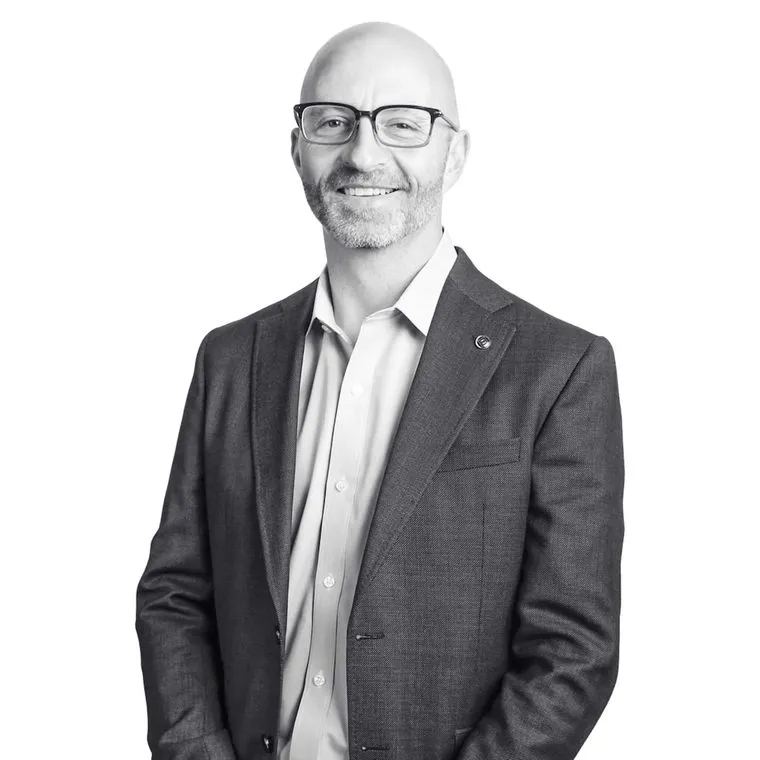
Dr. Patrick Denard has been voted one of the top 20 Shoulder Surgeons in North America and is the most widely published shoulder specialist in Oregon. Dr. Denard has advanced arthroscopy training and is able to perform the vast majority of shoulder procedures in a minimally invasive fashion, including all types of rotator cuff repairs and instability repair. These techniques allow him to repair tears that some consider "irreparable."
Keep reading
how-to-sleep-with-shoulder-pain
rotator-cuff-tear-without-surgery
should-i-get-a-second-opinion-before-shoulder-surgery
is-a-cortisone-shot-in-the-shoulder-worth-it
Book a consultation in Medford or Grants Pass, or send your MRI for a second opinion from anywhere in the country.