Oregon Shoulder Institute
Rotator Cuff Repair Outcomes: Dr. Patrick Denard's Published Results
rotator-cuff-repair-outcomes-dr-patrick-denard
Opioids, also known as narcotics, have historically been the mainstay of pain control after surgery. Examples include Vicodin (Norco) and Percocet (Oxycodone). While these medications help with pain, they have significant side effects including addiction (within 5 to 7 days of use), constipation, and fatigue.
In our practice 30% of patients do not take a single narcotic after their shoulder surgery, and among those who do, most stop taking them within a couple of days. In fact, Dr. Denard only prescribes 15 narcotic pills for after surgery.
How is this possible? We use a multimodal approach to limit pain. The key is to address pain from multiple facets. Our protocol consists of the following.
The longer surgery goes on, the higher inflammation levels become and the more pain increases. Dr. Denard has performed over 8,000 surgeries. With this level of experience, surgical efficiency is improved, and surgical time thus decreases. This is highly surgeon dependent.
Understanding the risks of narcotics and not taking them unless needed helps patients avoid the trap of taking them for "prevention."
Most patients have an interscalene nerve block which numbs the nerves that affect the shoulder. This lasts for 12-24 hours after surgery.
A simple but highly effective method for reducing pain. Cold compression units are highly beneficial and can help with sleep as well.
Tylenol or acetaminophen blocks prostaglandin synthesis and is processed by the liver.
Ibuprofen or Advil is a COX-1 and 2 inhibitor that is processed by the liver.
Gabapentin or Neurontin is a nerve pain medication that can be used for a short duration to limit pain.
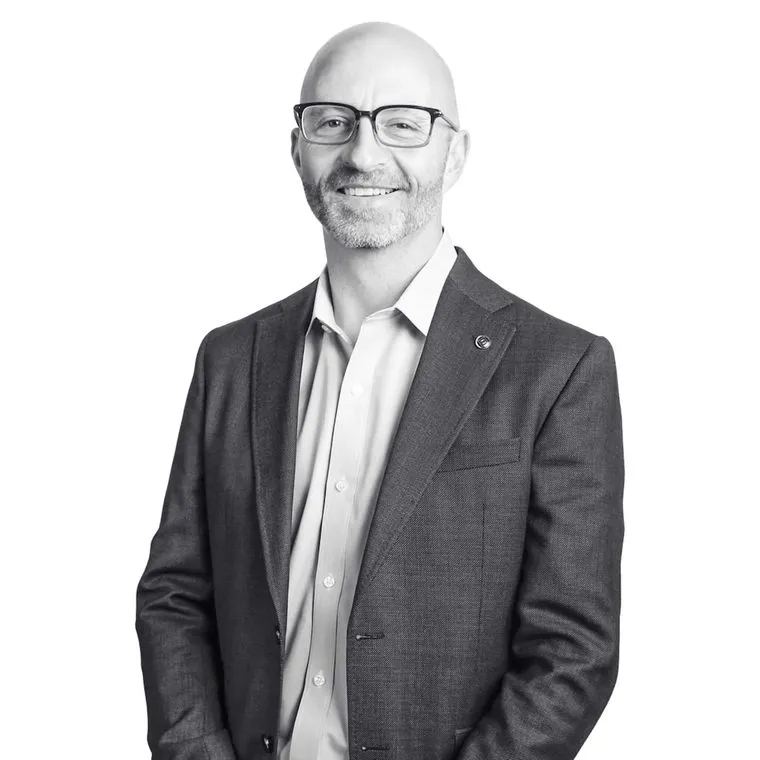
Dr. Patrick Denard has been voted one of the top 20 Shoulder Surgeons in North America, and has been ranked in the top 1% of researchers for shoulder. Dr. Denard is committed to providing the highest level of orthopedic care to his patients, not only from a surgical standpoint, but also by considering the overall picture including avoidance of narcotics, and optimizing nutrition and rehabilitation.
Keep reading
Oregon Shoulder Institute
rotator-cuff-repair-outcomes-dr-patrick-denard
Oregon Shoulder Institute
rotator-cuff-repair-recovery-week-by-week
Oregon Shoulder Institute
irreparable-rotator-cuff-tear-superior-capsular-reconstruction
Oregon Shoulder Institute
failed-rotator-cuff-repair-revision-options
Book a consultation in Medford or Grants Pass, or send your MRI for a second opinion from anywhere in the country.