Oregon Shoulder Institute
Rotator Cuff Repair Outcomes: Dr. Patrick Denard's Published Results
rotator-cuff-repair-outcomes-dr-patrick-denard
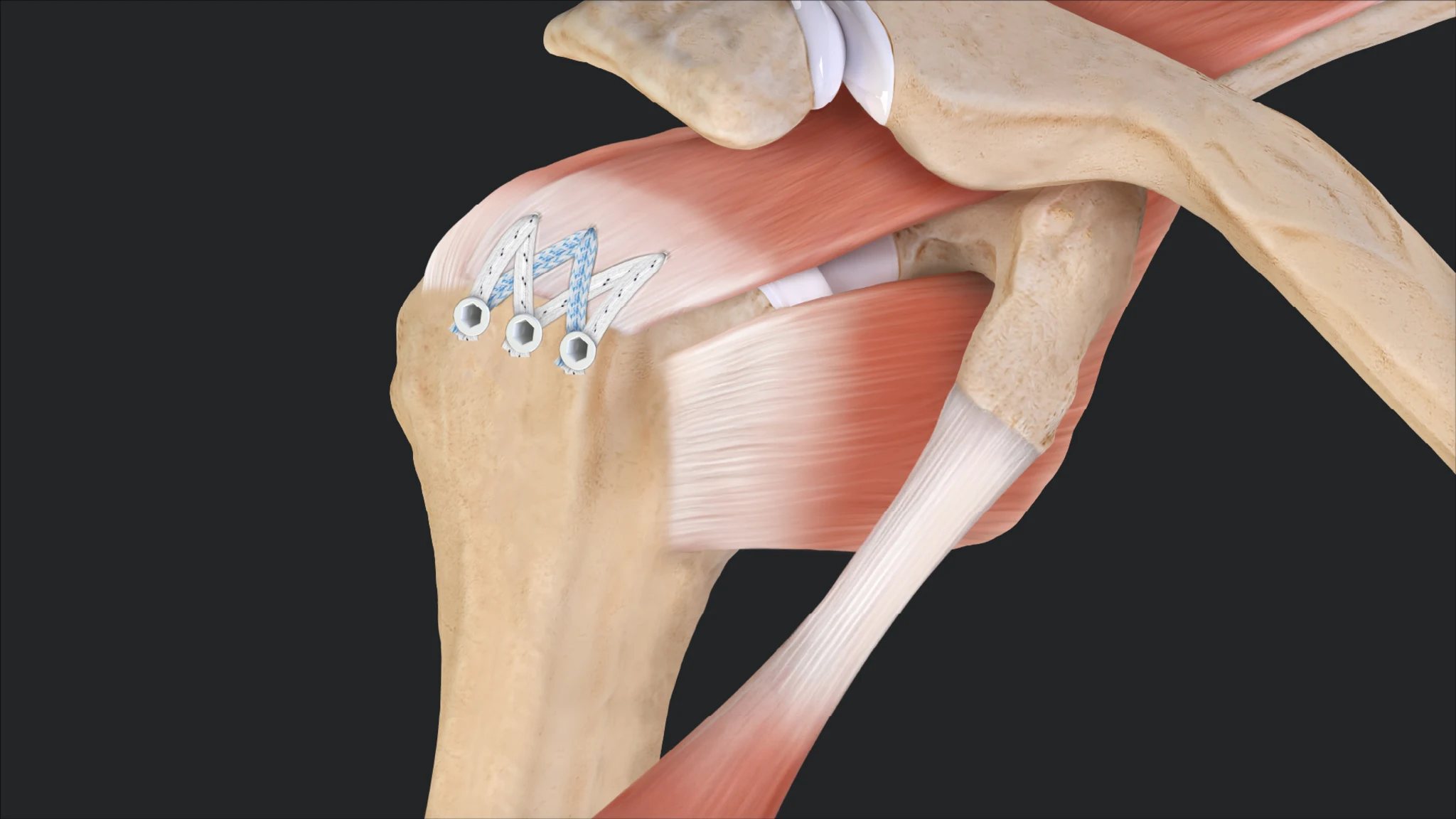
Rotator cuff tears are a common injury that can significantly impact shoulder function and overall quality of life. The rotator cuff consists of a group of 4 muscles and tendons that stabilize the shoulder joint and enable a wide range of arm movements. When tears occur, whether due to acute injury or chronic wear, physical therapy often becomes a cornerstone of treatment.
Research shows that physical therapy can be effective in managing rotator cuff tears, particularly for those with partial tears or mild symptoms. The primary goals of physical therapy are to alleviate pain, restore strength, and improve the range of motion. Trained therapists develop personalized rehabilitation programs that may include stretching exercises, strength training, and functional movement patterns specific to the patient's needs.
A study published in the American Journal of Sports Medicine found that up to 90% of patients with non-surgical rotator cuff injuries reported significant improvement after a course of physical therapy. Long term, the success rate is 70% in another study. What is not shown in those studies, however, is the comparison to surgical treatment.
The success of physical therapy can depend on several factors, including the severity of the tear, the patient's age, and their commitment to the rehabilitation process. While many patients see substantial improvement, others, particularly those with full-thickness tears, may require surgical intervention if conservative treatments fail to yield results.
While physical therapy can be an effective treatment for rotator cuff tears, the outcomes vary among individuals. Those experiencing shoulder pain should consult with healthcare professionals to determine the best treatment plan tailored to their specific circumstances, ensuring an optimal pathway to recovery and restored function.
Keep reading
Oregon Shoulder Institute
rotator-cuff-repair-outcomes-dr-patrick-denard
Oregon Shoulder Institute
rotator-cuff-repair-recovery-week-by-week
Oregon Shoulder Institute
irreparable-rotator-cuff-tear-superior-capsular-reconstruction
Oregon Shoulder Institute
failed-rotator-cuff-repair-revision-options
Book a consultation in Medford or Grants Pass, or send your MRI for a second opinion from anywhere in the country.