
How to Sleep With Shoulder Pain: A Surgeon's Ladder
how-to-sleep-with-shoulder-pain
By Patrick J. Denard, MD | Oregon Shoulder Institute
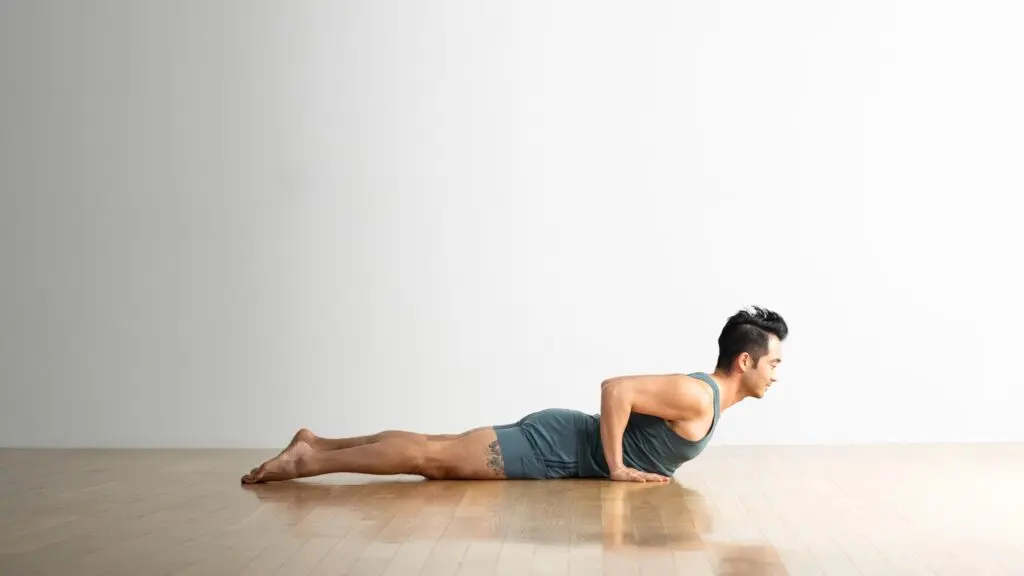
If you're a yoga practitioner facing shoulder replacement surgery, one of your first questions is probably: Will I ever be able to get back on the mat?
It's a fair concern. Yoga isn't just exercise — for many people, it's a daily practice, a form of meditation, a community, and a cornerstone of physical and mental well-being. The idea of losing it after surgery is genuinely frightening.
The good news: the data is encouraging. In a study I recently published in JSES International, every single patient in our series returned to yoga following shoulder arthroplasty — and the vast majority said they were actually better at it afterward than they were before surgery.
Yoga is one of the most widely practiced activities in the world, and it's increasingly popular among older adults — precisely the population most likely to need shoulder replacement. Poses like downward dog, arm balances, and inversions place significant demand on the shoulder joint, which means patients and surgeons alike need real data to guide expectations and decisions.
Until recently, very little was known about how yoga practitioners specifically do after shoulder replacement. Most return-to-sport studies lumped all activities together or focused on higher-demand sports like tennis or baseball. We designed this study to look at yoga on its own terms.
We reviewed outcomes for 15 patients — 6 who underwent anatomic total shoulder arthroplasty (aTSA) and 9 who underwent reverse total shoulder arthroplasty (rTSA) — who identified yoga as their primary sport before surgery. All surgeries were performed at the Oregon Shoulder Institute between 2012 and 2022, with a minimum 2-year follow-up. The average age was 69 years and the average follow-up was about 3.5 years.
We tracked return rates, satisfaction, frequency of practice, the types of poses patients could perform, and objective measures including range of motion and validated patient-reported outcome scores.
The headline finding: by 12 months after surgery, 100% of patients had returned to yoga.
That last number deserves emphasis. This isn't just a "return to baseline" story — the majority of patients came back performing more poses, at greater frequency, with less pain, than they were managing before their shoulder was replaced.
Range of motion and shoulder function scores improved dramatically across the board. Average forward flexion went from 90° before surgery to 168° after. Pain scores dropped from 6.5 out of 10 preoperatively to 0.6 postoperatively. ASES shoulder scores — a standard functional measure — nearly doubled.
Both anatomic (aTSA) and reverse (rTSA) shoulder replacement patients did well, but there were some interesting differences worth noting.
rTSA patients returned to yoga sooner — 78% were back within 6 months compared to 33% of aTSA patients. All rTSA patients reported improvement in their yoga ability, and they increased both the frequency and the range of poses they practiced postoperatively. One possible explanation is that the semi-constrained design of reverse shoulder arthroplasty provides inherent stability during weight-bearing poses, which may make the shoulder feel more confident sooner.
aTSA patients had slightly more variable outcomes, with one patient reporting decreased ability and a higher proportion shifting toward restorative-style yoga postoperatively. That said, 5 out of 6 aTSA patients were satisfied with their result.
On objective measures — range of motion and clinical outcome scores — there was no statistically significant difference between the two groups at final follow-up. Importantly, internal rotation was similar between aTSA and rTSA patients, which is noteworthy because internal rotation loss is often cited as a concern with reverse shoulder replacement. It's possible that the rotational demands of yoga practice help preserve and restore internal rotation during recovery — an intriguing finding that warrants further study.
Published data puts the overall return-to-sport rate after shoulder arthroplasty at around 85%, across a wide range of activities. Our 100% return rate for yoga is higher — and that's consistent with where yoga sits on the spectrum of shoulder demand.
Yoga is generally classified as a low-to-medium demand shoulder sport. It doesn't involve the repetitive overhead stress of tennis or the heavy loading of rock climbing. That lower mechanical demand means patients can typically return more completely and with less risk of implant-related complications. Data on return to golf after rTSA — another low-demand activity — shows similarly high satisfaction rates.
The takeaway: if yoga is your sport, the odds are strongly in your favor.
Here's how I'd summarize the practical implications for yoga practitioners thinking about shoulder surgery.
Expect to be off the mat for a period of time. We typically restrict weight-bearing activity through the shoulder for several months postoperatively to allow the subscapularis tendon to heal and the implant to seat properly. Expect a more gradual return to load-bearing poses like downward dog and planks than to gentler, restorative postures.
Plan for a 6–12 month timeline to full return. Most patients are back within 6 months; virtually everyone is back by one year. Starting with restorative and seated postures early and progressively working back to weight-bearing poses is a reasonable approach.
You may end up practicing better than you did before. With dramatically less pain, improved range of motion, and greater shoulder confidence, many patients find their yoga practice expands — not contracts — after surgery. That was true for 80% of patients in this study.
Both aTSA and rTSA are viable. The right procedure depends on your diagnosis — osteoarthritis pattern, rotator cuff integrity, bone quality, and other factors. Your surgeon will recommend the best option for your anatomy. But from a yoga standpoint, both have been shown to allow successful return to practice.
If shoulder pain is keeping you off the mat, and surgery has been recommended, don't let fear of losing your yoga practice be the reason you delay. The evidence — including this study — suggests that shoulder replacement patients who practice yoga return at extremely high rates, with high satisfaction, and most find their practice improves compared to where they were struggling preoperatively.
This is still an area with relatively limited research, and every patient is different. But for active, healthy adults whose quality of life is defined in part by their yoga practice, total shoulder arthroplasty appears to be a highly effective intervention — not a barrier to the mat, but a path back to it.
Patrick J. Denard, MD is a fellowship-trained orthopedic surgeon specializing in shoulder surgery at the Oregon Shoulder Institute in Medford, Oregon. He is the senior author of "Return to yoga following anatomic or reverse total shoulder arthroplasty," published in JSES International (2025).
If you have questions about shoulder replacement or returning to activity after surgery, schedule a consultation.
Keep reading
how-to-sleep-with-shoulder-pain
rotator-cuff-tear-without-surgery
should-i-get-a-second-opinion-before-shoulder-surgery
is-a-cortisone-shot-in-the-shoulder-worth-it
Book a consultation in Medford or Grants Pass, or send your MRI for a second opinion from anywhere in the country.