
Oregon Shoulder Institute
Massive Rotator Cuff Tear With Severe Muscle Damage: Repair or Replacement?
massive-rotator-cuff-tear-with-severe-muscle-damage-repair-or-replacement
Do You Always Need the Bigger Surgery?
If you've dislocated your shoulder multiple times and your surgeon has told you there's significant bone loss, you've probably heard the word "Latarjet." It's a well-established open surgery that transfers a piece of bone to the front of the shoulder socket to prevent future dislocations. For decades, it's been considered the standard of care when bone loss crosses a certain threshold.
But surgery is always a balance of risk and benefit — and the Latarjet, while effective, is a more invasive procedure with a higher complication profile than purely arthroscopic alternatives. A growing body of evidence is asking whether an all-arthroscopic approach called remplissage can achieve comparable results, even in patients with more significant bone loss than has traditionally been considered its territory.
We conducted a multicenter study across four international sites to address exactly that question. Here's what we found.
When the shoulder dislocates anteriorly — the most common direction — two things often get damaged simultaneously. The front of the shoulder socket (glenoid) chips away over repeated dislocations, and a dent forms on the back of the humeral head (called a Hill-Sachs lesion) from the impact.
When these two defects are large enough and positioned in a way that they interact — what's called an "off-track" lesion — the risk of redislocation with soft tissue repair alone is high. The standard algorithm most surgeons use looks roughly like this: isolated Bankart repair for minimal bone loss, adding remplissage (filling in the Hill-Sachs dent with tendon to prevent it from catching on the glenoid rim) for moderate off-track lesions, and transitioning to an open Latarjet procedure when glenoid bone loss exceeds a critical threshold, generally cited as somewhere between 15% and 25%.
The problem is that threshold isn't universally agreed upon — and the Latarjet, while powerful, comes with meaningful risks including hardware complications, nerve injury, and a longer recovery. If remplissage can work in patients with higher bone loss, some patients could avoid a more invasive operation.
We performed a multicenter retrospective study of 47 patients across four shoulder surgery programs on three continents. All four surgeons had trained in the same arthroscopic shoulder fellowship, providing an important baseline of surgical technique consistency.
All patients had greater than 15% glenoid bone loss and underwent either arthroscopic Bankart repair with remplissage (22 patients) or open Latarjet (25 patients). The decision between procedures was made through shared decision-making between surgeon and patient — not a predetermined algorithm — reflecting real-world practice.
Average glenoid bone loss was substantial and similar between groups: 25.8% in the remplissage group and 25.1% in the Latarjet group. Off-track Hill-Sachs lesions were present in 59% of remplissage patients and 44% of Latarjet patients. Baseline demographics, activity levels, and functional outcome scores were comparable. Minimum follow-up was two years.
The primary finding was straightforward: functional outcomes were equivalent between the two procedures at two-year follow-up.
Both groups improved significantly on every patient-reported outcome measure — the Western Ontario Shoulder Instability Index, the Single Assessment Numeric Evaluation, and pain scores. The magnitude of improvement between the two procedures was not statistically different.
Perhaps most importantly, there were zero recurrent dislocations in either group during the follow-up period — despite both groups having average bone loss of around 25% and a significant proportion of off-track lesions.
On the complication side, there was one complication in the Latarjet group (an infected hematoma requiring surgical debridement) and none in the remplissage group. While a single event in a small study can't establish a statistical difference, it is consistent with prior literature showing that Latarjet carries a meaningfully higher complication burden — published systematic reviews have reported complication rates as high as 9% for Latarjet versus 1% for remplissage.
This study doesn't argue that remplissage should replace Latarjet. The Latarjet remains an excellent, time-tested procedure with strong long-term data. What the study does suggest is that the decision isn't binary.
The historical cutoff of 15% glenoid bone loss as a hard line beyond which remplissage becomes inadequate may be too rigid. In carefully selected patients with bone loss above that threshold, an all-arthroscopic approach can achieve equivalent stability, equivalent patient satisfaction, and equivalent return to sport — with the potential for fewer complications and a less invasive recovery.
Several factors reasonably favor remplissage even with higher bone loss:
Several factors reasonably favor Latarjet:
The right answer is a genuine conversation — one that accounts for your specific anatomy, imaging findings, activity goals, and risk tolerance.
Shoulder instability surgery has evolved rapidly over the past two decades. The glenoid track concept gave surgeons a more sophisticated framework for understanding which lesions are truly at risk. Remplissage added a powerful arthroscopic tool for addressing the humeral side of the equation without open surgery. And the ongoing comparison between remplissage and Latarjet has progressively pushed the boundary of where each procedure is appropriate.
This study adds to a growing body of evidence that remplissage deserves serious consideration further up the bone loss spectrum than previously thought. It won't be the right answer for every patient — but for many, the opportunity to achieve the same stability and function through an all-arthroscopic approach, with a lower complication profile, is a meaningful advantage.
Larger studies with longer follow-up are needed to confirm these findings and better define which patients are ideal candidates for each approach. But the data available today suggest the conversation about surgical options is more open than traditional algorithms imply.
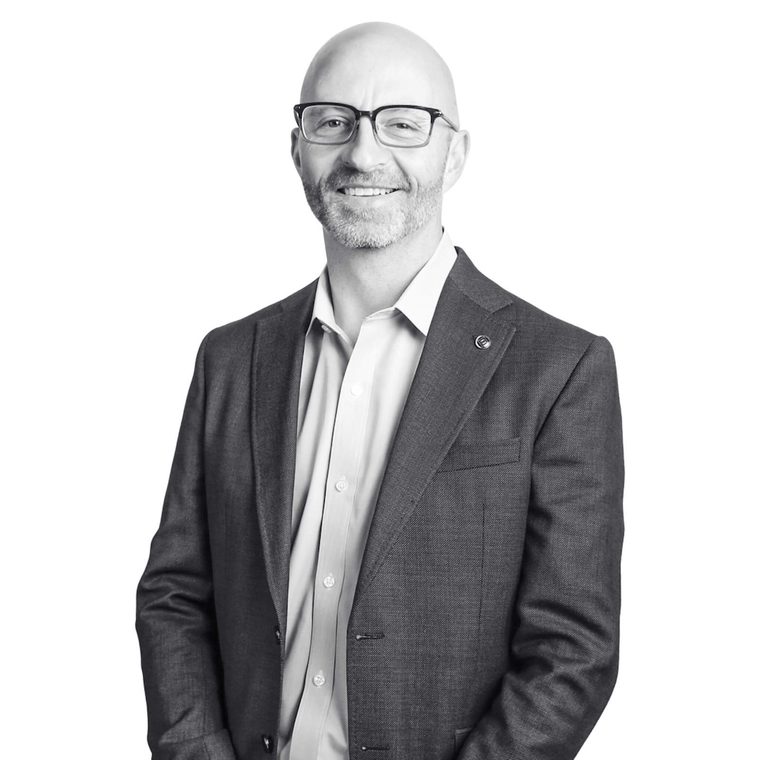
Patrick J. Denard, MD is a fellowship-trained orthopedic surgeon specializing in shoulder surgery at the Oregon Shoulder Institute in Medford, Oregon. He is a co-author of "Arthroscopic Bankart Repair With Remplissage as an Alternative to Latarjet for Anterior Glenohumeral Instability With More Than 15% Glenoid Bone Loss," published in The Orthopaedic Journal of Sports Medicine (2022).
If you have questions about shoulder instability or your surgical options, schedule a consultation.
Keep reading
Oregon Shoulder Institute
massive-rotator-cuff-tear-with-severe-muscle-damage-repair-or-replacement
Oregon Shoulder Institute
oregon-shoulder-institute-adopts-new-magnesium-supplement-recommendation-to-pre-and-post-procedure-protocol
why-are-women-more-prone-to-frozen-shoulder
womens-shoulder-and-joint-health-how-to-lower-inflammation
Book a consultation in Medford or Grants Pass, or send your MRI for a second opinion from anywhere in the country.


